BLOG
East Hampton Rental Registry 2026: What Hosts Should Know
 By Nangyal Khan··Updated
 6 min read

East Hampton Rental Registry 2026: Step-by-Step Guide for Hosts
Planning on renting out your property in East Hampton? It is important to understand the East Hampton rental registry for safety and legal compliance. Moreover, it helps ensure your property meets local requirements before listing it for tenants. It also protects both owners and renters by promoting transparency and responsible rental practices.
More About Short-Term Rentals in East Hampton
Short-term rentals remain a popular option for homeowners in East Hampton, especially during peak seasonal demand. However they are required to operate within a structured regulatory framework designed to protect neighbourhood character and tenant safety.
Under Hampton’s rental laws, property owners must comply with local rules before advertising or leasing their homes, including registering the property and obtaining a valid rental registry number from relevant authorities. The East Hampton Rental Registry is a mandatory programme that helps authorities monitor occupancy, enforce housing guidelines and ensure transparency in the rental market.
What Is the East Hampton Rental Registry?
The rental registry in East Hampton is a local compliance system that tracks residential properties offered for short-term or seasonal rental. Its main purpose is to ensure that rental homes meet safety standards, observe occupancy limits and align with zoning laws before they are listed or occupied. Property owners must obtain an East Hampton town rental permit through this process.
It verifies the home is legally approved for rental use. Registered properties can be advertised and rented with fewer risks. However, unregistered rentals may face enforcement action or penalties. Town authorities manage applications, inspections and renewals. All these measures help maintain transparency across the rental market. The programme also protects tenants by promoting safer housing conditions and supports neighbourhood stability by reducing overcrowding and unmanaged rental activity.
Requirements Before Applying
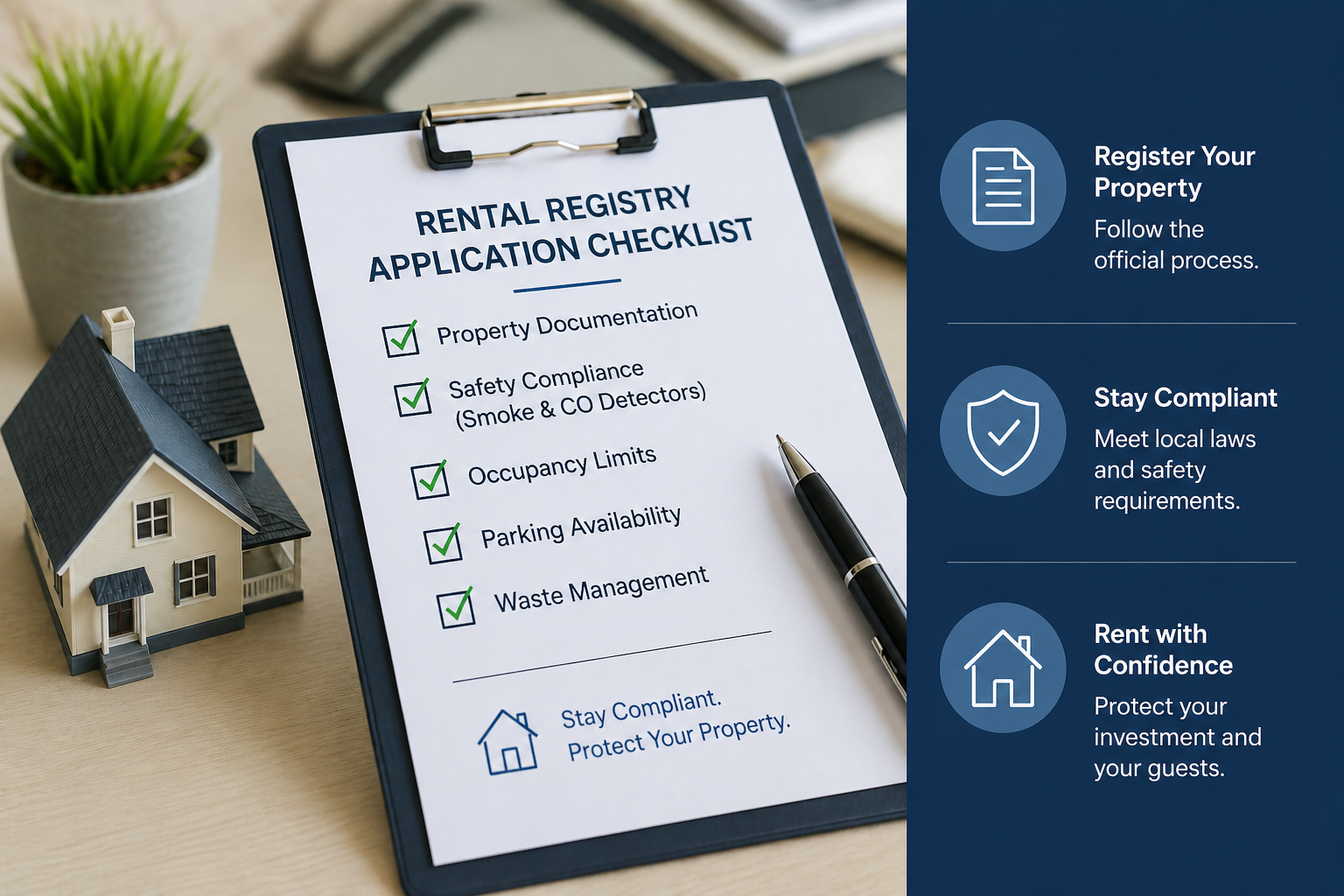
Before applying for an East Hampton town rental permit, property owners must ensure their home meets key compliance standards under Hampton's rental laws.
Property Documentation
Applicants need proof of property ownership, updated certificates where required and accurate rental details as part of the documentation process.
Safety Compliance Checks
Safety compliance means ensuring working smoke detectors, carbon-monoxide alarms, and meeting general habitability standards before approval. Tools like Layla.eco can also help property owners stay on top of safety conditions. With the help of advanced tech, it provides real-time insights into home environment and risk factors.
Observing the Occupancy Limit
Occupancy limits must reflect bedroom count and local zoning rules to prevent overcrowding and maintain safety.
Availability of Parking Space
Parking requirements ensure sufficient on-site spaces so tenants do not disrupt surrounding streets or neighbours.
Waste Management and Disposal
There should be a proper waste management system in place. There should be arrangements for trash storage and collection to support neighbourhood cleanliness.
Meeting these conditions early helps streamline approval and reduces delays during inspections by the Town of East Hampton authorities.
Step-by-Step Registration Process
Registering a rental property with the Town of East Hampton follows a clear process that helps confirm compliance before the property is rented to tenants.
Step 1: Where to Apply
Property owners must apply through the Town’s official Rental Registry system, usually via the municipal website or the department responsible for residential rental compliance.
Step 2: Application Submission Steps
Applicants submit ownership details, property information, occupancy limits, parking arrangements and required supporting documents. A registration fee of $100 is paid at this stage. The registration remains valid for two years and updates during this period are free of charge.
Step 3: Inspection Procedures
The Town may schedule a property inspection to confirm safety features such as smoke detectors, carbon-monoxide alarms and overall habitability standards meet local requirements.
Step 4: Approval Timeline Expectations
Approval timelines depend on inspection scheduling and document completeness. Applying early helps avoid delays, especially before peak rental seasons.
Step 5: Receiving the registration certificate
Once approved, owners receive their rental registration certificate or permit number, confirming the property can be legally advertised and rented under local regulations.
Common Mistakes Property Owners Make
Property owners often face delays or penalties because of avoidable mistakes during the registration process.
Renting Before Approval
A common issue is renting a property before receiving formal approval, which can lead to enforcement action.
Incorrect occupancy disclosures.
Some submit incorrect occupancy disclosures that do not match bedroom counts or zoning limits.
Not Conducting Mandatory Inspection
Ignoring inspection requirements is another frequent error that slows approval timelines.
Missing Documentation
Missing documentation, such as ownership details or compliance confirmations, can also result in application setbacks.
Listing Properties Without Registry Numbers
In some cases, owners advertise listings without displaying valid registry numbers. In some cases, owners advertise listings without displaying valid registry numbers. This can lead to listings being flagged, removed or penalised by local authorities, as it violates basic compliance rules and reduces transparency for tenants.
Penalties for Non-Compliance
Failing to follow local registration requirements can lead to serious consequences for property owners in East Hampton. Under Hampton's STR fines, unregistered rentals may result in penalties ranging from $3,000 to $15,000. Moreover, in the worst case scenario, there is a possibility of up to six months of jail time.
Authorities may also issue daily violations for ongoing non-compliance, which can quickly increase total liability. In addition to financial penalties, owners risk legal enforcement actions, temporary suspension of rental activity and complications with future permit approvals.
Staying compliant with registry requirements helps avoid these risks and supports uninterrupted rental operations.
Advanced Tools That Support Responsible Hosting
As property owners work to stay compliant with local rental requirements in East Hampton, tools that support responsible hosting can make ongoing management easier. Layla.eco is an all-in-one solution designed for rental properties and second homes. It helps monitor noise levels, indoor air quality and safety conditions in real time, without the reliance on cameras or recordings.
The mobile app also allows remote AC automation and alerts that reduce operational risks. For owners managing seasonal rentals or maintaining registry compliance standards, solutions like this can ensure peace of mind while staying connected to the property from anywhere
In a community as complaint-sensitive as East Hampton, knowing how to handle neighbour noise complaints matters as much as the registry paperwork itself.

Best for: full property coverage
All-in-One
Noise monitoring, smoke detection and smart AC control for complete coverage.
Everything included
Everything in Noise & Security Pro
AI party detector, noise alerts, intruder & break-in, occupancy, 180-day history, indoor + outdoor climate
Everything in Smoke & Air Quality
Air quality index (IAQ), CO2, bVOC, mold & smoke — full indoor + outdoor climate
Everything in AC Control & Energy
Smart AC (150+ brands), Eco Mode, schedules, filter health
Plus exclusive
- Advanced reports & insights
- Priority support
- Priority support
No monthly fees. Ever.
One sensor. Full coverage
One sensor. Full coverage.* Layla 3.0 monitors noise, air quality, motion, occupancy, temperature, humidity, pressure, VOCs, CO2, and controls your AC - from a single device on your shelf.
No subscription means no surprise costs.
Pay once. Every feature unlocked. Forever. No monthly fees eating into your rental margins or household budget.
The smartest buy is the one you make once.
Other solutions charge per-feature monthly subscriptions that exceed the device cost within a year. Layla's all-in-one pays for itself compared to any subscription alternative.
30-day money back guarantee